
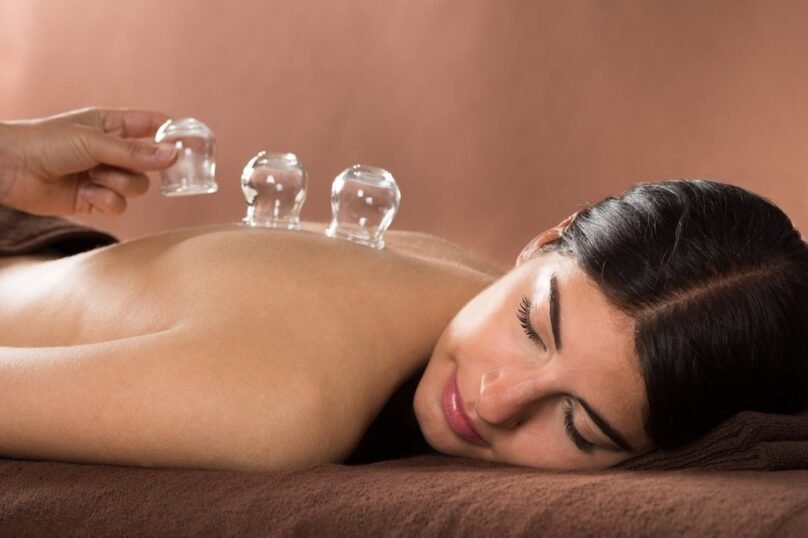
Cupping therapy has been used by athletes for centuries, with the circular marks on the back and shoulder as evidence. Cupping therapy has been incorporated into the modern-day physical therapy community with the understanding that it is an effective and safe way to relieve pain and speed recovery.
If you are experiencing tight and stiff muscles or if you have deep pain that limits your movement, cupping therapy in Nagpur at Anandi’s Physiotherapy could help you release the tension stored in your body and recover from your injury naturally.
What Is Cupping Therapy?
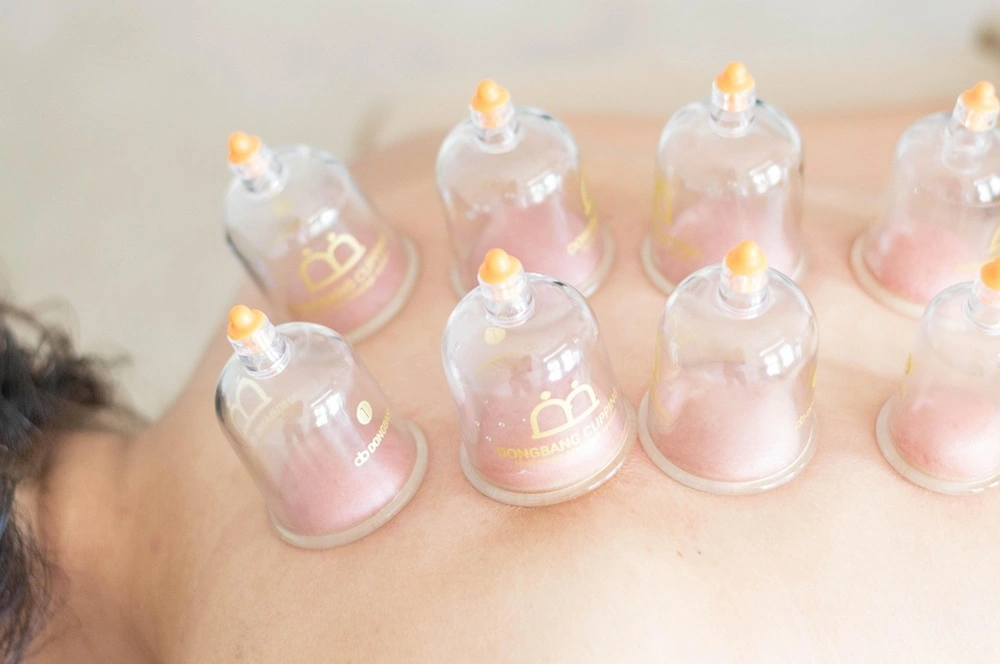
Cupping therapy consists of a cup being placed against the skin, creating a gentle suction that pulls on the skin and surrounding tissue to increase blood flow, relieve muscle tightness, and speed up healing.
Anandi’s Physiotherapy uses cupping as part of a complete therapy plan, which will provide functional improvement and pain relief.
Modern-day physiotherapy cupping uses modern techniques such as manual suction cups or silicone/plastic suction cups with pumps. Unlike the traditional methods, modern cupping therapy does not use fire or other potentially dangerous or unsafe methods.
How Cupping Therapy Works
Muscle pain and stiffness often occur due to restricted blood flow, tight fascia, and buildup of metabolic waste in tissues. Cupping therapy helps by:
The suction gently pulls tissues upward, creating space for better movement and healing.
Types of Cupping Therapy Used in Physiotherapy
Dry Cupping
The method most often used by physiotherapists in their practice of dry cupping is constant insertion without movement; specifically, suction is created by placing cups on top of the skin, and then, either leaving them in place for a certain amount of time or moving them very slowly along the muscle where there is tightness or tension.
Dry cupping is used to successfully treat conditions like:
Moving or Massage Cupping Technique:
This method involves using oils on the area being treated and slowly sliding, rotating, or rubbing the cup on the area being treated to help free up fascial tissue and increase mobility.
Static Cupping Technique
This type of cupping involves placing the cups on the area being treated for several minutes so that the muscle tension and pain can be targeted at a deeper level.
Anandi’s Physiotherapy does not use the Wet Cupping Technique.
Conditions that can benefit from cupping therapy include:
Cupping therapy will likely help relieve muscle tightness, heaviness, or restriction that persists despite the patient resting and taking care to rest properly.
What to Expect During a Cupping Therapy Session
Assessment First
Your physiotherapist evaluates posture, muscle tension, pain areas, and movement limitations.
Gentle Application
Cups are placed carefully, and suction strength is adjusted to your comfort level.
Mild Sensations
You may feel a pulling or stretching sensation, but it should not be painful.
Temporary Marks
Circular marks may appear due to increased blood flow. These are painless and usually fade within 5–10 days.
Combined Treatment
Cupping is often followed by exercises, stretches, or manual therapy to maximise results.
Benefits of Cupping Therapy
When used correctly, cupping therapy offers several benefits:
Many patients feel lighter and more relaxed after sessions.
Cupping Therapy for Athletes and Active Individuals
Athletes often experience repetitive muscle strain, tightness, and delayed recovery. Cupping therapy helps muscles recover faster by improving circulation and reducing soreness
At Anandi’s Physiotherapy, cupping is commonly used for:
This is why cupping is frequently seen among professional and recreational athletes.
Why Choose Anandi’s Physiotherapy for Cupping Therapy in Nagpur?
Qualified Physiotherapy Care
Cupping is performed only by trained physiotherapists with strong anatomical knowledge.
Safe and Modern Techniques
We use controlled suction methods suitable for clinical rehabilitation.
Individualised Treatment
No two bodies are the same. Treatment is tailored to your condition and comfort.
Integrated Approach
Cupping is combined with physiotherapy exercises for long-term relief.
Clean and Professional Environment
Hygiene and patient comfort are always prioritised.
Cost of Cupping Therapy in Nagpur
The cost of Cupping Therapy in Nagpur depends on several factors.
Factors Affecting the Cost:
At Anandi’s Physiotherapy, treatment costs are transparent and discussed clearly before starting therapy.